CHENYUAN / RAIN PONCHOS
Rain Poncho Manufacturer for Custom Buying Programs
Chenyuan is a rain poncho manufacturer and supplier in Yiwu, China. Our range includes polyester/PVC and polyester/PU styles, with custom size and logo requests accepted. The models below give you a starting point for choosing a garment and putting together a buying brief.
Discuss your poncho brief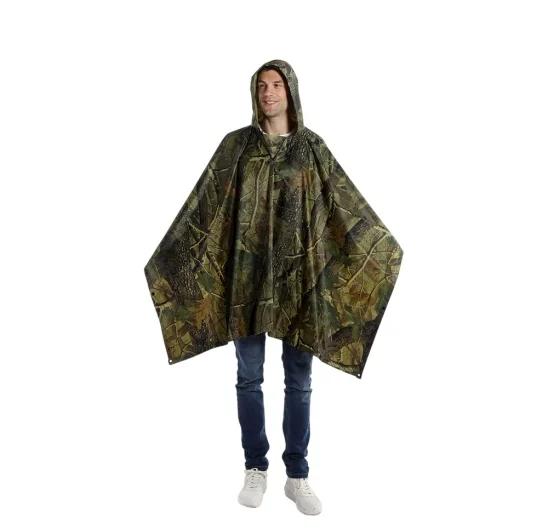
Three models to start with
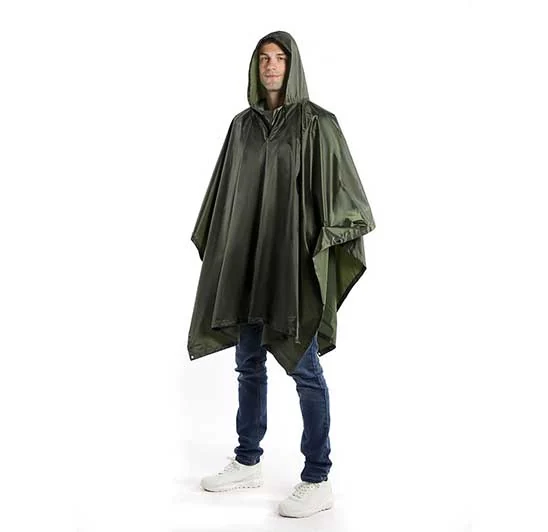
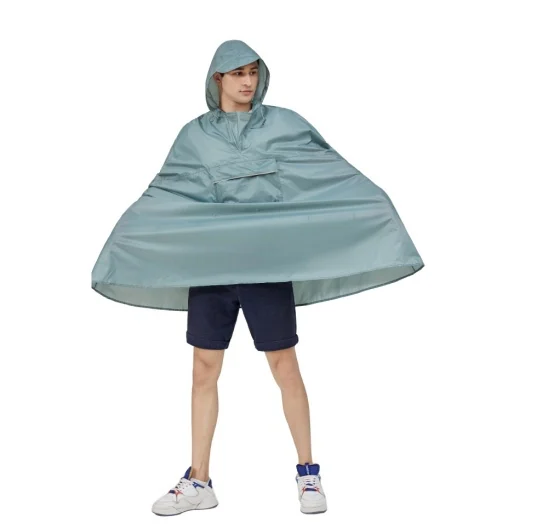
CY046 uses polyester/PVC. CY083 and the CY118 cycling poncho use polyester/PU. Those model references are useful when a photograph catches your eye: they keep the conversation attached to a particular garment as the material, measurements and artwork take shape.
What will people be doing in the poncho? That question comes before color. A garment for an outdoor event and one intended for riding need different attention during selection. At an event, you may be thinking about how people collect and unpack their ponchos. For cycling, the fit review needs to include the riding position.
You can also begin with a reference garment. Point out the parts you want to keep and the changes you have in mind. If the shape is still undecided, say so. A first inquiry can compare options without treating every detail as an order instruction.
Polyester/PVC or polyester/PU?
The full material name matters here. “Polyester” on its own leaves out the PVC or PU in these styles. Keep both parts of the description with the model when comparing samples or preparing a quotation request.
A sample gives you something a screen cannot: the chance to handle the material and see how it falls. Compare the surface and color with any reference used in your collection. Look at it in different light, then look at the garment as a whole, including the hood, openings and joining points.
Those observations help with selection. They do not supply a test result for the finished garment. Where your specification calls for testing, give the test name and acceptance requirement in the brief. That lets the product discussion address the requirement itself, rather than rely on a general description such as waterproof.
Length, room and the hood
Custom sizes can be discussed for the listed styles. A drawing with measurements is more useful than a size letter alone. Garment length, body width and hood opening are possible points to mark; include units and show where each measurement starts and ends. Where a closure is part of the requested design, show its position too.
Fit needs a wearer as well as a drawing. Try the sample over the clothing it is intended to cover. Reach forward and turn. Does the hood leave the view you need? Where does the hem fall? A marked photograph can explain a problem that a measurement alone misses.
For CY118, use the proposed riding position during the review. Consider the clothing underneath, visibility and clearance around moving parts. The cycling model name identifies its intended format; the actual sample still needs that use assessment.
Artwork on a garment that moves
Custom logo requests are accepted. Along with the artwork, we need to discuss its size and where it belongs on the garment. A flat drawing is a useful beginning, but a poncho will fold and overlap when someone wears it.
Look at the proposed position with the hood up and down. Check lettering at its intended printed size, too. Text that looks clear when enlarged on a screen may be difficult to read on the garment. These are useful things to resolve while reviewing a sample.
Keep the selected file and placement drawing together if the design changes. For a warning or other mark with a specified meaning, include the exact wording and the relevant requirement. Appearance alone, including a reflective-looking detail, does not establish a protective-clothing standard.
What to settle with the sample
A sample review can leave some decisions settled and others open. You might accept the color while asking for more room at the hood. Record that distinction so a fit change does not accidentally reopen the artwork or material choice.
Comments work best when they name a place and a result. “Move this opening to the marked point” is easier to act on than “change the front.” A photograph with a mark beside the corresponding point on the drawing can carry both parts of that instruction.
Before using a sample as the order reference, compare it with the specification. The garment, drawing and artwork should describe the same version. Add the acceptance checks needed for your buying program, so the person receiving the goods has something specific to compare them with.
Quantities and packing by version
An overall quantity can hide quite a few variations. For a mixed order, separate the quantities by material, color, size and artwork. A simple table with one line per version makes the mix easier to discuss than a total followed by several messages of changes.
Packing belongs in that discussion as well. Think about who will unpack the goods and how they will distinguish similar garments. A program with several logos or sizes may need a reference that identifies each version; another may have fewer details to manage. Put the identification and packing requests alongside the relevant quantity, where the receiving team can find them.
About Chenyuan
Yiwu Chenyuan Raingear Co., Ltd. is based in Zhejiang, China. We work in rainwear design, production and sales, with ponchos, raincoats and rain suits in the range. There is more on our company page.
Choosing the garment format is part of the buying conversation. If you are considering a long coat as well as a poncho, the CY099 polyester/PVC raincoat gives you a specific alternative to look at.
Your first inquiry
Send your model choice or reference garment through our rainwear inquiry form. Include the intended use, material, measurements, color, artwork and quantity mix. Destination and required delivery date help explain the commercial brief; add packing and testing requirements where they apply.
It is fine to leave a question open. Tell us which decisions are fixed and where you want to discuss options. That gives the next conversation a useful starting point.
Before you choose
Which materials are available in the listed poncho styles?
Can I request my own logo and garment dimensions?
Do you have a poncho intended for cycling?
What information helps with a quotation?
FROM GARMENT TO BUYING BRIEF
A specific starting point.
A clearer conversation.
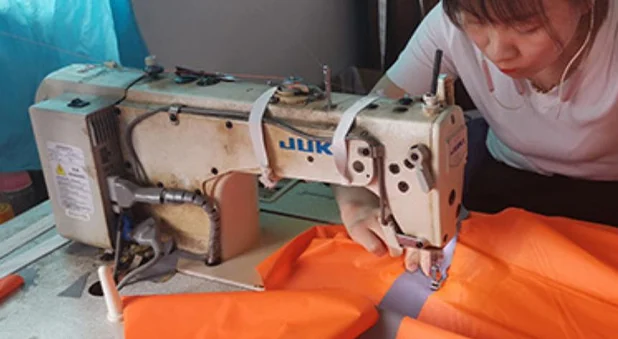
Bring the material, garment shape and logo requirements together in one brief.
Send your requirements